


Starting in tennis or padel without guidance usually leads to the same point: the shots come out, but in an inconsistent way. One day you play well, the next not so much, and it’s hard to understand exactly what is going wrong. When this happens, it is normal to consider signing up for a tennis and padel academy, because the difference between playing and truly improving is having a clear training structure.
Why should you sign up for a tennis and padel academy?
Starting to play on your own can give the feeling that you improve quickly at the beginning. However, over time it is common to plateau: the same shots are repeated, mistakes appear that are not corrected, and it becomes hard to know what to do to keep improving. It is at this point that an academy provides an order that is difficult to achieve on your own.
Learn with a solid foundation from the beginning
When you start without a learning structure, it is easy to pick up movements or habits that later become very difficult to correct. An academy allows you to build a correct foundation from the start: posture, coordination, grip and movement.
This not only helps you play better, it also makes the game more comfortable and stable. In addition, understanding why each movement is done is almost as important as doing it correctly, because it speeds up improvement in the medium term.
Constant improvement with follow-up
One of the most common problems when playing on your own is not being clear about whether you are really improving. In an academy, the work is organized progressively: first control, then accuracy, and later more advanced aspects such as power or tactics.
This allows you to see real progress, even small ones, and stay motivated. It also helps detect mistakes before they become habitual.
Training adapted to each level
Not all players start from the same point. Some begin from zero and others already have experience playing matches. In an academy, training is adapted to each level so that every player can progress at their own pace.
This avoids both the frustration of going too fast and the boredom of always repeating the same things without progress.
You learn about strategy and mentality
Tennis and padel are not only about technique. Decision-making, patience, and the ability to manage points during the game also play a major role.
In an academy, these aspects are worked on through real match situations, so the player learns not only to hit better, but to play each point better.
Characteristics of a tennis and padel academy
In a tennis and padel academy, the goal is not only to play, but to train with a structure that allows step-by-step improvement. The idea is that each session has a purpose within the player’s development.
What is common in this type of academy is:
- Classes for all levels: groups are organized according to each player’s experience, from beginners to more advanced levels.
- Technical work on court: the execution of basic and advanced shots is improved with constant corrections.
- Training applied to real game situations: match scenarios are practiced to improve decision-making.
- Adapted physical preparation: mobility, coordination and endurance exercises focused on tennis and padel.
- Progress tracking: mistakes are continuously corrected to ensure steady improvement.
At RozaRossa Tennis Academy we work with a simple methodology: teaching clearly and supporting each student’s improvement process. Not everyone learns at the same pace, so we adapt the training to each person so they can progress without frustration.
We are a tennis and padel academy in Estepona where each session has a specific objective. We avoid repetitive or directionless training, because we believe that improving is not just about playing a lot, but about training with intention.
We also place great importance on consistency. That is why we organize classes within a logical progression, so the player understands what they are working on at each moment and how it fits into their development.
In the end, it is not just about training more, but about training better. And when the process has structure, progress becomes much more noticeable over time.
Latest news and events

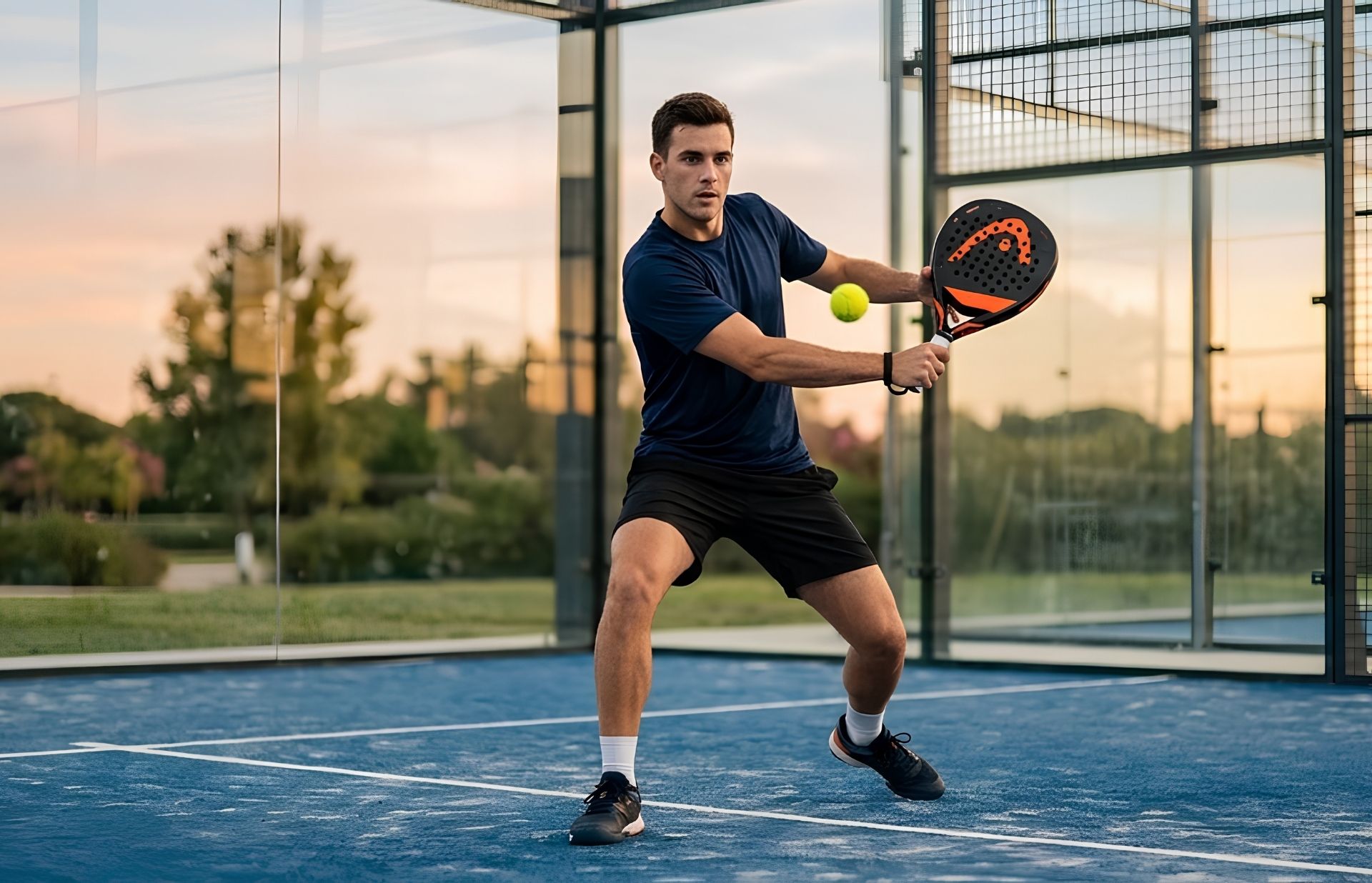
Learning to play padel seems simple at first: racket in hand, small court and soft ball. But the technique has more nuances than it may seem, and many players carry bad habits for years that slow down their progress. Detecting mistakes when learning padel technique in time is what allows you to stop getting stuck at the same level and start making the progress you are looking for. Mistakes when learning padel technique Most mistakes in padel do not come from a lack of strength or physical condition, but from gestures that have been incorrectly automated from the beginning. These are the most common ones: 1. Incorrect racket grip Many players hold the racket as if it were a tennis…
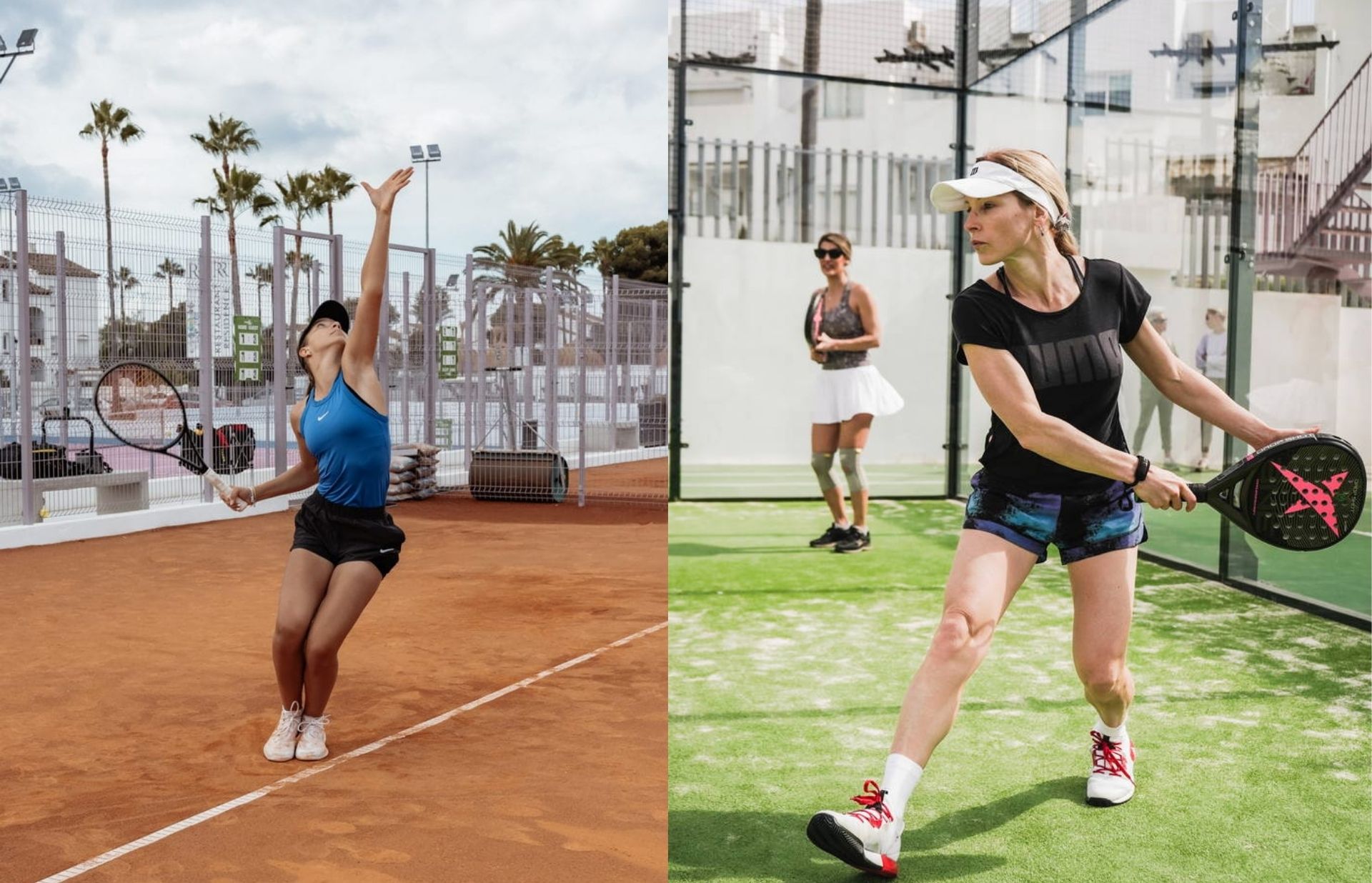
Choosing the right racket is a decision that directly affects both your performance on the court and the health of your joints. In both tennis and padel, the market offers a huge variety of options, which can be confusing if you do not know which factors to prioritise according to each player's profile. At RozaRossa Tennis Academy, today we want to share some tips to help you choose the right tennis or padel racket. Tips for choosing a tennis or padel racket Before looking at the brand or the latest popular model, there are several practical things you should consider to make the right choice. Be honest about your actual playing level It is very common to think we play…
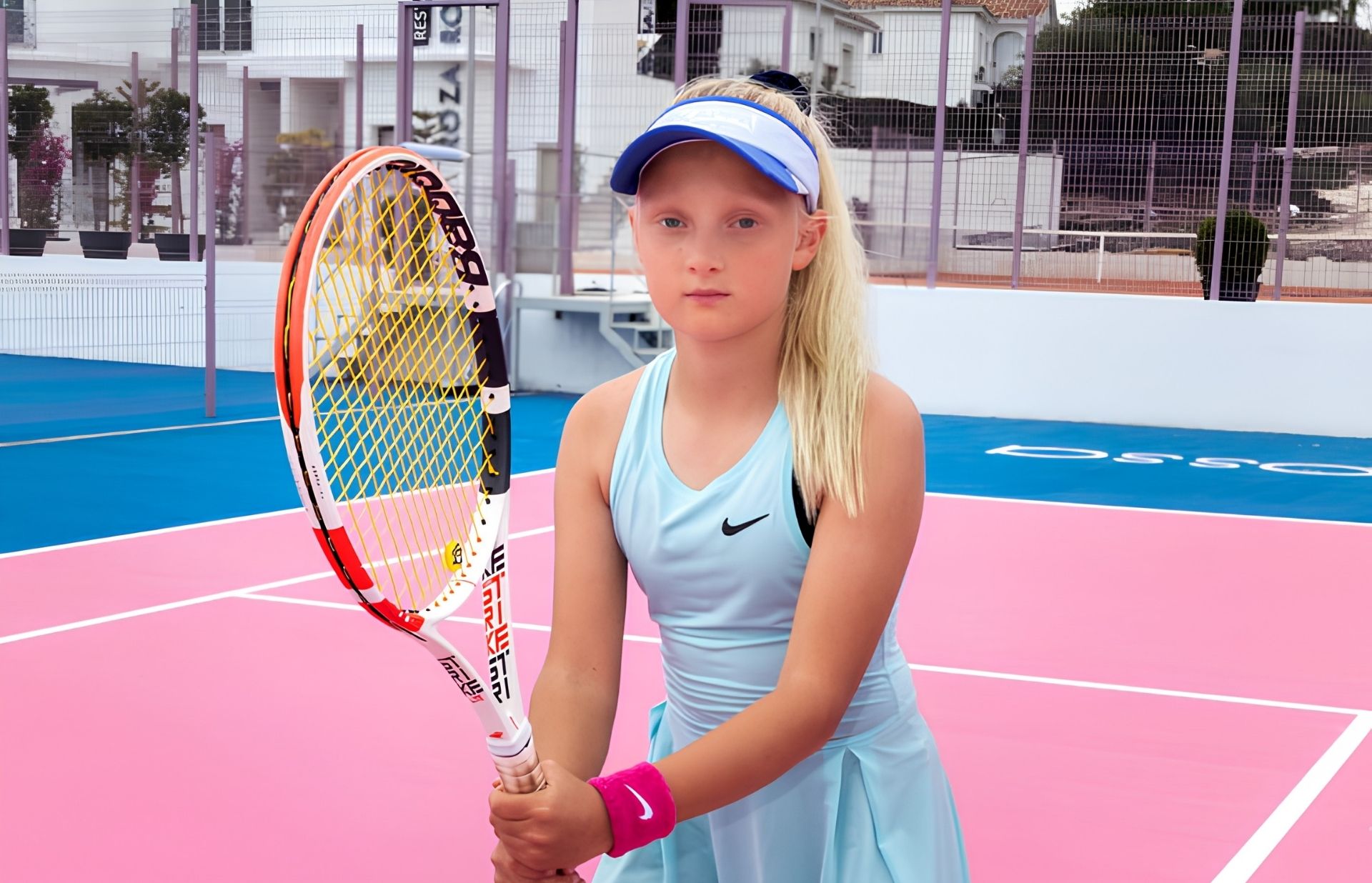
Tennis lessons for kids are much more than simple sports training; they represent a unique opportunity to develop motor skills, discipline and socialization in a healthy environment. If you're looking for the right place in Estepona or Marbella for your child to learn to play tennis, it's essential to understand which factors make the difference between a purely technical introduction and a well-rounded sporting experience. Why are tennis lessons ideal for children's development? Introducing tennis at an early age is an investment in children's overall growth. Beyond the racket and the ball, this sport acts as a driver of psychomotor development, notably improving hand-eye coordination and lateral agility, skills that are fundamental during the stages of greatest physical development. The…
Our Instagram





Book a court, lesson with coach or enroll in fall groups

Book a court, lesson with coach or enroll in fall groups


